

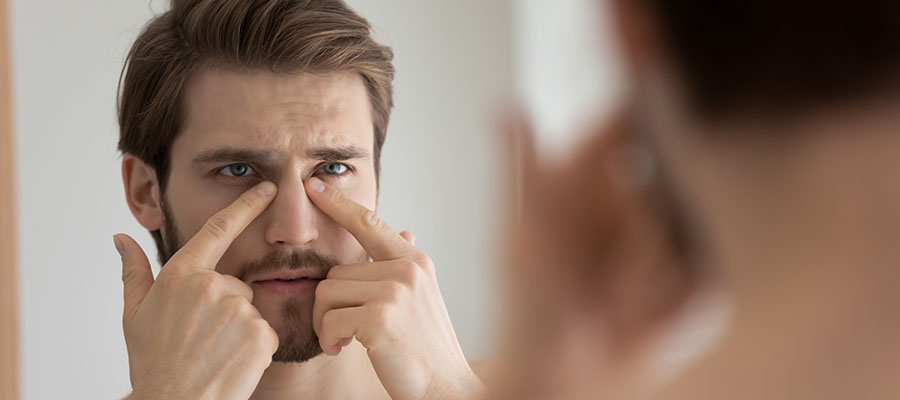
Your vision changes gradually. You might notice it while driving at night, reading smaller print, or spending hours in front of a screen. Sometimes the signs are obvious, but other times they are subtle. What if there is something more happening beneath the surface?
Many eye conditions develop over time, quietly. You may not feel pain or notice dramatic shifts in your vision. But they can still cause long-term damage if left unexamined.
At The Verge Optometrists, we are here to help you better understand what is going on with your vision.
What are the most prevalent eye conditions?
Several eye conditions are more common than you might expect. Some are related to age, and others can develop due to lifestyle, chronic health issues, or genetics.
Here are the most prevalent conditions we see and assess:
Glaucoma
Glaucoma causes damage to the optic nerve, often due to increased pressure inside the eye. It can develop slowly, without warning signs. If left unchecked, it may lead to permanent vision loss. Early detection through regular screening is essential.
Astigmatism
An irregularly shaped cornea or lens causes this condition. It affects the way light focuses on the retina, resulting in blurred or distorted vision at all distances. If you find yourself squinting or struggling with eye strain, astigmatism might be a factor.
Diabetic Retinopathy
If you live with diabetes, your eyes are at risk, too. Diabetic retinopathy occurs when high blood sugar levels damage the blood vessels in the retina. It can progress silently and cause serious complications, including vision loss. Regular eye exams are a vital part of managing this risk.
Age-Induced Macular Degeneration (AMD)
AMD affects the macula, the central part of the retina that lets you see fine details. It is a leading cause of vision loss in people over the age of 60. If you have trouble with tasks like reading, recognising faces, or distinguishing contrasts, AMD may be the cause.
Dry Eye Syndrome
Do your eyes feel gritty, irritated, or tired throughout the day? Dry eye syndrome is more than a minor annoyance. It can interfere with daily activities and worsen over time. Inadequate or poor-quality tears cause this condition and are especially common in screen-heavy environments.
Cataracts
Cataracts cloud the natural lens of the eye, leading to blurry, dim, or yellowed vision. They tend to develop slowly with age. Many people describe it as looking through a foggy window. If your vision seems less sharp or your night driving has become difficult, it could be time for an evaluation.
How do I know if I might have an eye condition?
Symptoms are not always obvious, but here are a few signs to watch out for:
- Blurred or double vision
- Sensitivity to light
- Difficulty reading or focusing
- Frequent changes in prescription
- Eye pain or pressure
- Floating spots or flashes of light
- Excessive dryness or watering
- Trouble seeing in low light
If any of these sound familiar, it is important to consult an eye doctor. An early conversation could prevent long-term complications.
What is the next step?
If you are experiencing changes in your vision or simply want peace of mind, a comprehensive eye exam can help you understand what is happening. At The Verge Optometrists, we assess for all of the above eye conditions and more.
You can thevergeoptometrist@gmail.comwith a trusted optometrist in Edenvale who will guide you through the testing process and discuss your options clearly and confidently. You will know where your vision stands and what action to take.
 Call:
Call:  WhatsApp: